
Flatbed Load Securement: What Shippers Should Know Before Pickup
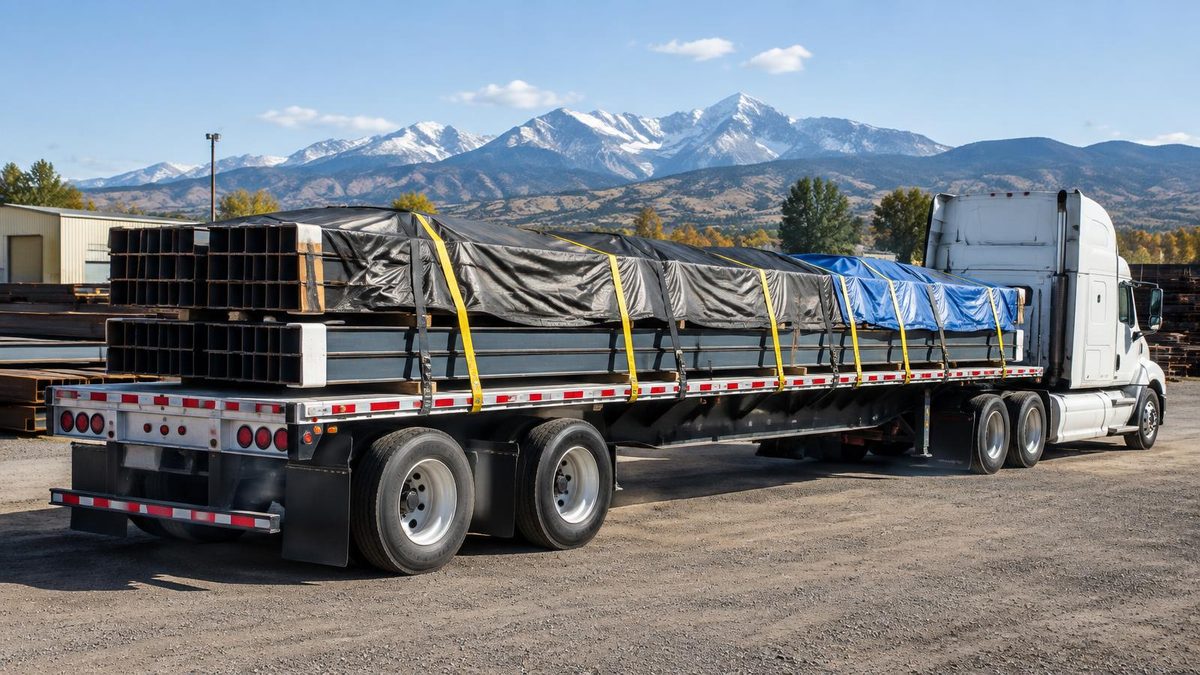
Flatbed load securement for shippers starts before the trailer arrives: give the broker correct dimensions and weight, explain the loading method, and agree on tarping and securement needs. Identify who loads the freight and what equipment the carrier needs. No Limit Logistics lists flatbed among its freight shipping services, alongside other equipment types.
An open deck can carry freight that will not fit through an enclosed trailer door. It also exposes cargo to weather and requires a clear loading plan. A broker can match the job more effectively when the shipper shares the actual shape of the freight, not just a commodity name. The September forecast is not a substitute for written protection instructions.
What measurements and cargo details should a shipper provide?
Provide the loaded length, width, height, and total weight, including packaging and supports. Describe individual pieces that extend beyond the main load or need special handling. Photos and a loading diagram can clarify an unusual shape. Accurate information helps the broker discuss equipment, routing, and securement with the carrier before pickup.
- **Dimensions:** Measure the shipment as it will sit on the trailer, not just the bare product.
- **Weight:** Give the total loaded weight and explain how it is distributed across pieces.
- **Shape:** Flag sharp edges, fragile surfaces, loose parts, or an uneven center of gravity.
- **Protection:** Say whether tarps, padding, or edge protectors are needed and which surfaces must stay covered.
If a load might extend beyond standard equipment dimensions, tell the broker at the outset. Oversize requirements depend on the actual load and route. Do not assume the same truck, permits, or plan used on a previous shipment will apply. Choosing the right truck type is the starting point for deciding whether a flatbed or another trailer is appropriate.
Who should confirm loading and securement responsibilities?
Before dispatch, confirm who places the freight on the trailer and who is responsible for applying and checking securement. Give the broker the site's loading method, access limitations, and on-site contact. The carrier must know what tools and materials are needed. Do not assume a driver can load a crane-only shipment.
| Item to confirm | Who handles it | Why it matters |
|---|---|---|
| Freight measurements | Shipper | Helps determine equipment and route needs |
| Forklift or crane access | Shipping facility | Determines how the trailer will be loaded |
| Trailer and securement equipment | Carrier, confirmed with broker | Aligns straps, chains, and protection with the load |
| Tarping requirement | Shipper specifies, carrier confirms | Protects surfaces that cannot get wet |
| Edge protection | Shipper and carrier agree on need | Keeps securement from contacting sharp edges |
| Loading and final check | Parties agree before pickup | Prevents confusion at the dock |
FMCSA regulates cargo securement. The shipper does not need to guess at technical rules to describe the cargo correctly. The carrier needs the information and equipment to secure it safely. If you have a specific facility rule about loading, share it early so the broker can confirm it with the assigned carrier.
How do tarps and edge protectors affect the pickup plan?
Specify which parts of the cargo must remain covered and what kind of exposure is unacceptable. Share any restrictions on where straps or chains may touch the product. Ask the broker to confirm the carrier has suitable tarps, securement gear, and edge protection. These details affect the truck match and the time needed at the dock.
Before the truck arrives
Have the load ready for the stated loading method. Check whether the facility has space for a flatbed and for the equipment used to lift the cargo. Give the driver a safe place to stage before loading. If tarping must happen on site, explain where it can be done and who supplies any special covering.
At handoff
Confirm the visible load matches the measurements and description sent to the broker. Flag any substitution, extra piece, or different packaging before the truck leaves. Keep the shipping paperwork consistent with the cargo. A surprise at pickup makes it harder for the carrier and broker to plan a safe movement.
A carrier's qualifications also matter on specialized loads. Our article on carrier vetting explains why equipment fit and safety checks should happen before assigning freight. The shipper's job is to give accurate details; the carrier's job is to evaluate and secure the load under the applicable requirements.
What should you tell the broker about an oversize load?
Tell the broker as soon as the measured cargo may be wider, taller, longer, or heavier than standard equipment can handle. Send the full loaded measurements, origin and destination, loading method, and delivery constraints. The broker can then discuss suitable equipment and routing with a carrier instead of making assumptions from a product description.
Do not wait until pickup to disclose a protruding part or a heavy lift. A change to weight or dimensions can change the equipment and movement plan. If weather protection is also needed, explain it separately from oversize concerns. A special trailer does not automatically solve a sensitive-surface problem. Ask your facility whether its forklifts can reach the load safely from the side and whether the cargo needs dunnage or protective padding. Give the broker those details along with a photograph of the prepared freight. The carrier can then evaluate the pickup conditions before arriving.
If your freight needs a different handling approach, compare it with the reefer preparation checklist for temperature-controlled shipments. For a flatbed move, send the measurements and loading plan when you request a freight quote, or call 720-502-6479 to discuss the load.
Frequently asked questions
- What does a flatbed shipper need to measure?
- Measure the freight as loaded, including packaging, and provide total dimensions, weight, and any protrusions.
- Who secures a flatbed load?
- Confirm the loading and securement responsibilities with the carrier and facility before pickup. The carrier must evaluate securement under applicable rules.
- When should I tell the broker a load needs tarps?
- Include tarping needs in the initial load details so the carrier can confirm suitable equipment.
- Do sharp edges need special attention?
- Flag sharp edges and surfaces that cannot contact straps or chains so the carrier can plan appropriate protection.
- What if my flatbed freight is oversize?
- Send complete loaded measurements early. The broker and carrier can then determine suitable equipment and routing.
Related Articles
Carrier Setup With a Freight Broker: What to Have Ready to Haul Your First Load
A carrier-facing guide to broker registration, authority and insurance checks, equipment details, preferred lanes and dispatch contacts.
Read more →Flatbed Load Securement and Oversize Permits: What Shippers Need to Have Ready
Prepare a flatbed shipment with accurate loaded measurements, securement needs, site access and route-specific permit planning.
Read more →Refrigerated Freight Shipping Checklist: What to Send Before You Book a Reefer
A practical shipper checklist for temperature setpoints, pre-cooling, dock appointments, seals and rejected reefer deliveries.
Read more →