
Refrigerated Freight Shipping Checklist: What to Send Before You Book a Reefer
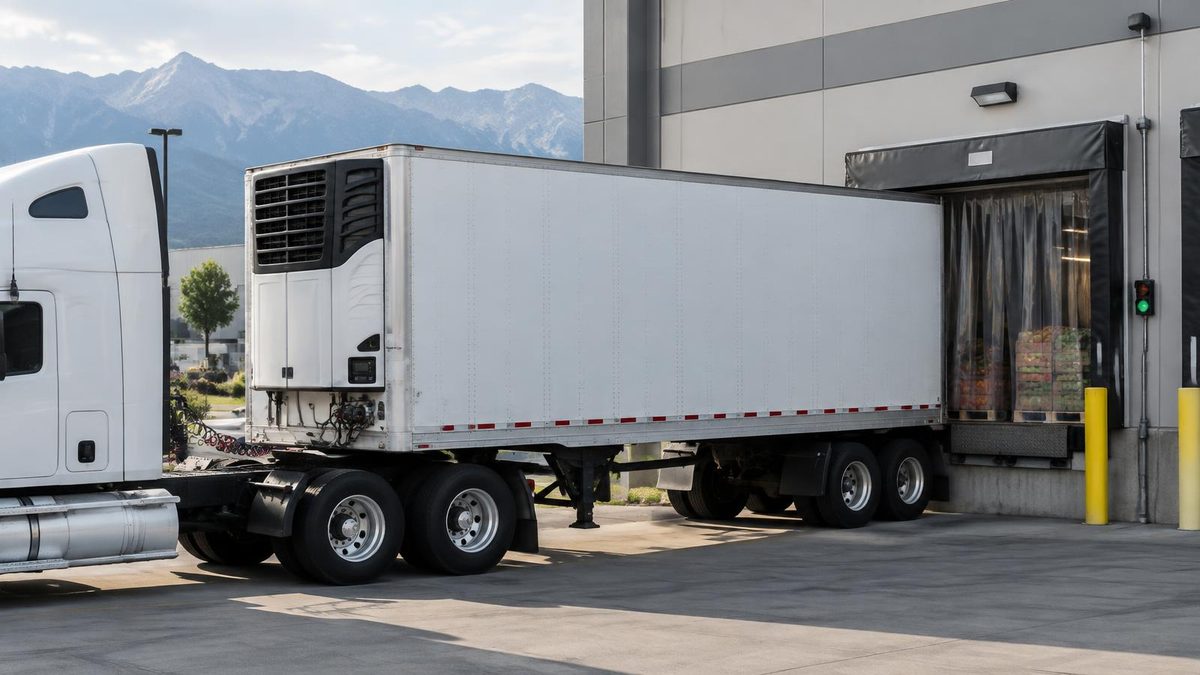
A refrigerated freight shipping checklist starts with the precise temperature setpoint, acceptable range, operating mode, cargo details, and both dock appointments. Tell your broker who records temperatures, whether the trailer must be pre-cooled, and what to do if the receiver rejects the load. Our freight shipping services cover refrigerated transportation alongside other equipment choices.
Late-summer heat makes vague instructions especially risky. A product described only as “keep cold” gives a carrier no usable target. The shipper knows the product and its tolerance; the broker needs that information before matching a truck. Use this checklist to make the instructions clear enough to confirm with the carrier and receiver.
What temperature instructions should you send before booking?
Send the exact setpoint and acceptable range in the same units, along with whether the refrigeration unit should run continuously or cycle. Specify whose instructions take priority if a shipping document differs from the booking details. A precise instruction lets the broker check that the selected equipment fits your product instead of guessing what “chilled” means.
- **Setpoint and range:** Write both the target and the upper and lower acceptable limits. Do not assume the carrier will infer them from the commodity.
- **Operating mode:** State continuous or cycle mode. These modes do not produce the same temperature pattern, so make the choice explicit.
- **Pre-cool:** Say whether the trailer must reach the requested temperature before loading, and who will check it at the dock.
- **Unit check:** Ask how the carrier will confirm that the unit is working before departure.
If the product owner has written handling instructions, send those too. Do not replace them with a generic reefer setting. The goal is an agreed shipment plan, not a temperature chosen by habit. See how to choose the right truck type for the equipment decision that comes before these details.
Which product and packaging details affect the reefer plan?
Describe the commodity, its packaging, pallet count, total weight, and any special handling needs. Explain whether the product is already at the shipping temperature when it reaches the dock. A reefer is meant to maintain the specified conditions in transit; it should not be treated as a substitute for a shipper's own preparation.
| Detail | Why the broker needs it |
|---|---|
| Commodity and packaging | Helps match equipment and communicate handling needs |
| Exact setpoint and allowed range | Makes the temperature instruction unambiguous |
| Continuous or cycle mode | Prevents an equipment-setting mismatch |
| Pre-cool expectation | Aligns the truck arrival with loading conditions |
| Pallet count and total weight | Helps confirm space and load planning |
| Pickup and delivery appointments | Helps coordinate dock access and carrier timing |
| Seal and temperature records | Defines what must be documented at handoff |
| Rejection contact and next step | Gives the team a clear escalation path |
Include how the product is stacked and whether airflow around the pallets matters to your packaging plan. Keep the bill of lading and booking instruction consistent. If the weight or pallet count changes after tendering, tell the broker before the truck arrives. A late change can affect equipment fit and the dock plan.
How should appointments, seals, and records be handled?
Give the pickup and delivery addresses, appointment windows, facility contacts, and any check-in instructions before the carrier accepts the load. State who applies the seal, who records the seal number, and which temperature readings or reports you expect. Agree on the handoff points so each party knows what to document.
At pickup
Share the appointment confirmation and tell the broker if loading may involve a wait or a dock-specific process. Ask the facility to note the product condition and seal details on the shipping paperwork. If a pre-cool check is required, explain who performs it and when. A written record helps everyone work from the same facts later.
In transit and at delivery
Tell the broker what temperature documentation the receiver expects and how it should be delivered. If a seal must stay intact until receiving, make that requirement explicit. Share the delivery appointment and the person who can authorize a change. A driver should not have to resolve a conflicting instruction at the gate without a contact.
Read why carrier vetting matters for the checks a broker can make before a temperature-sensitive load is assigned. The right reefer is only part of the shipment. Clear communication and a suitable carrier are just as important.
What should happen if the receiver reports a temperature problem?
Agree on an escalation plan before pickup. Name the person who can make decisions, explain how the carrier should preserve temperature records, and ask the receiver to document its concern. Do not instruct a driver to change settings or dispose of product without authorization. The broker needs a clear contact path while the facts are checked.
A rejection may involve the product condition, a reading at the dock, a missing record, or a disputed instruction. Those are different problems. Ask for the receiver's written reason and the relevant temperatures or paperwork. Keep the load under the agreed conditions while the shipper and broker coordinate next steps, subject to the product owner's instructions.
The best time to settle these questions is before a hot afternoon pickup, not after an unexpected call from receiving. Put the temperature plan in writing, check it against the order, and confirm it with the broker. If you are arranging a reefer load, request a freight quote with these details or call 720-502-6479.
Frequently asked questions
- What temperature should I request for a reefer shipment?
- Provide the setpoint and allowed range from your product handling instructions. Do not rely on a generic temperature for the commodity.
- Should a reefer run continuously or in cycle mode?
- Tell the broker which mode your product instructions require so it can be confirmed with the carrier.
- Does a refrigerated trailer need pre-cooling?
- State whether your facility requires pre-cooling and who will check the trailer before loading.
- What information should accompany a reefer quote?
- Send the commodity, packaging, weight, pallet count, temperatures, operating mode, appointments, and handling expectations.
- What if a receiver rejects a reefer load?
- Ask for the written reason, preserve records, keep the agreed conditions, and contact the designated decision-maker through the broker.
Related Articles
Carrier Setup With a Freight Broker: What to Have Ready to Haul Your First Load
A carrier-facing guide to broker registration, authority and insurance checks, equipment details, preferred lanes and dispatch contacts.
Read more →Flatbed Load Securement: What Shippers Should Know Before Pickup
Prepare flatbed freight with accurate dimensions, loading plans, tarping instructions and clear securement responsibilities.
Read more →Flatbed Load Securement and Oversize Permits: What Shippers Need to Have Ready
Prepare a flatbed shipment with accurate loaded measurements, securement needs, site access and route-specific permit planning.
Read more →