
Reefer Freight Shipping Guide: How to Ship Temperature-Controlled Loads Without Rejections
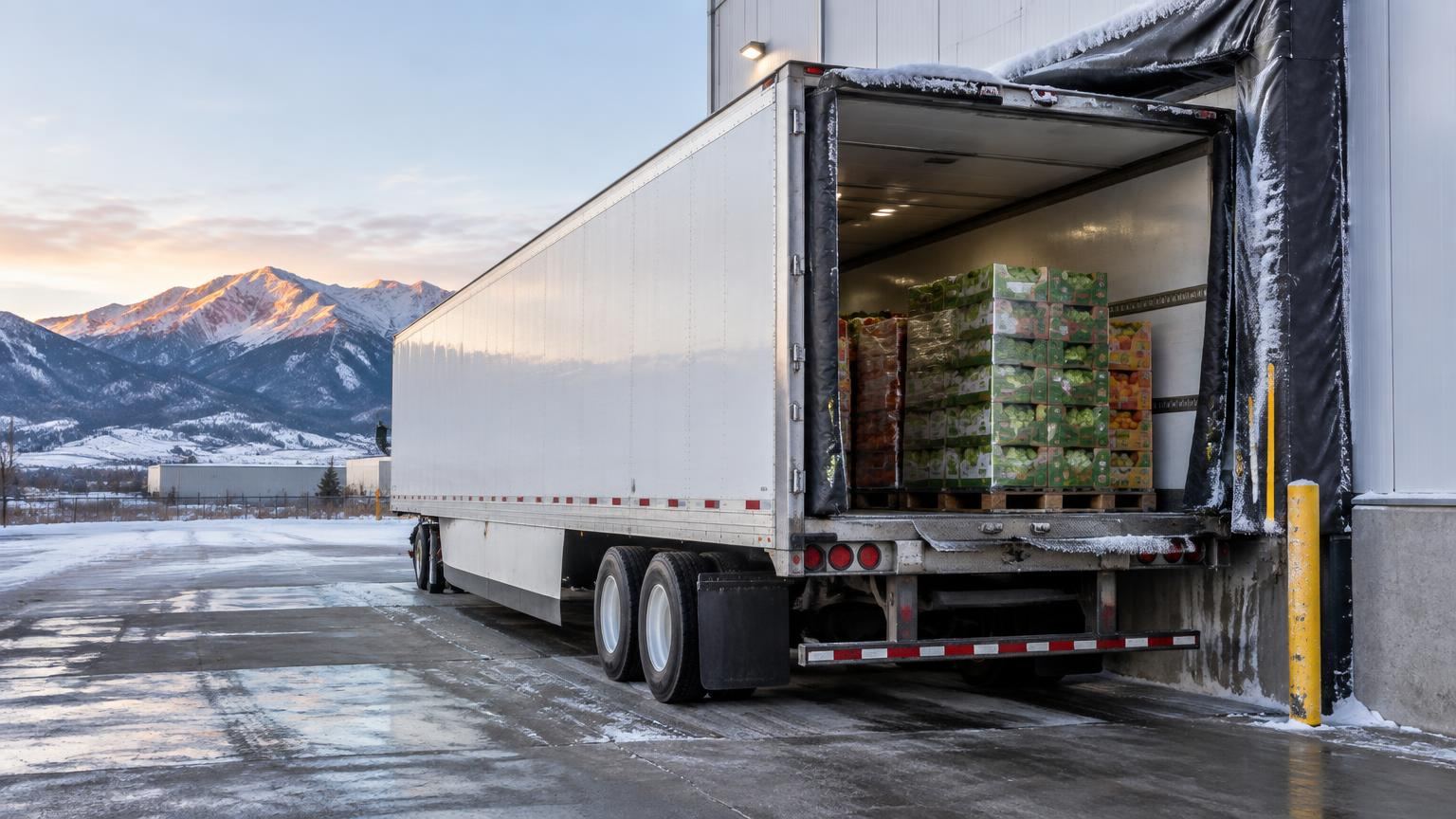
Reefer freight shipping works best when the shipper gives the broker a written temperature plan, verifies product condition at loading, and agrees on records and receiver requirements before pickup. Share your exact product specification, not just a request to keep freight cold. Explore our freight shipping services to compare refrigerated equipment with other options.
A refrigerated trailer maintains conditions in transit. It does not replace proper product preparation or a clear instruction from the product owner. In late summer, warm docks and delays make written loading and delivery expectations especially important. Give your broker the details early enough to confirm them with the carrier and the receiver.
What temperature instructions should you give your broker?
Send the exact setpoint and acceptable range from your product specification, along with the operating mode the unit should use. State whether continuous operation or cycle mode is required and whether the trailer must be pre-cooled before loading. Written instructions let the broker confirm equipment and avoid conflicting assumptions at the dock.
The site's truck type guide describes frozen freight as typically held around -10F to 0F and refrigerated freight around 32F to 40F. Those are examples, not an instruction for your cargo. Your product's own specification controls. Do not substitute a commodity label such as frozen or chilled for a precise setpoint.
Ask the loading facility who checks the trailer temperature before cargo goes aboard. If the product requires a pre-cooled trailer, tell the broker what reading the facility expects and who records it. Confirm whether the unit should stay running during loading and what the dock can accommodate. A carrier should receive one consistent set of written directions before arriving.
How should you check product temperature before loading?
Check the product against its shipping specification before it goes on the trailer. Tell the broker whether the facility takes pulp temperatures, where readings are taken, and who records them. A trailer's display shows unit conditions, not necessarily the temperature inside a box of produce. Keep those measurements separate on the paperwork.
If product arrives above its permitted loading temperature, pause and ask the product owner for instructions instead of expecting the reefer to pull the cargo down in transit. The shipping facility should document the condition before handoff. A clear record protects the conversation among shipper, broker, carrier, and receiver if a reading is questioned later.
Describe the commodity, packaging, pallet count, and weight. Tell the broker whether the freight is boxed, wrapped, or otherwise packed in a way that could affect cooling. Share any special handling instruction from the product owner. If an order includes products with different requirements, do not assume a single temperature setting works for all of them.
What should you confirm about airflow and load pattern?
Explain how the pallets will be loaded and whether the product owner's instructions require space for air to move around them. A refrigeration unit cannot help evenly if freight blocks its intended airflow path. Give the carrier a loading plan that fits both the trailer and the packaging, and flag changes before departure.
Do not overfill the trailer or press cases against surfaces contrary to the equipment or product instructions. Ask the facility and carrier to confirm that the final load pattern allows the reefer to operate as planned. Describe unusual pallet heights, heavy stacks, or fragile cases before a truck is assigned, not while loading is underway.
| What to confirm before a reefer load ships | Who needs the detail | Why it matters |
|---|---|---|
| Exact setpoint and allowed range | Broker and carrier | Prevents a vague temperature instruction |
| Continuous or cycle mode | Carrier | Aligns unit operation with the product specification |
| Pre-cool expectation | Carrier and shipping dock | Clarifies trailer condition before loading |
| Product and pulp temperature at loading | Shipper and receiver | Documents cargo condition at handoff |
| Pallet pattern and airflow needs | Loading team and carrier | Keeps the loading plan compatible with the trailer |
| Seal number and handling plan | Carrier and receiver | Clarifies custody and inspection expectations |
| Recorder or unit data download | Broker and receiver | Defines what temperature evidence is expected |
| Appointment windows | Dispatch and both facilities | Coordinates access and receiving |
Use the table as a conversation starter, not a substitute for written product instructions. The receiver may have its own acceptance requirements. Ask for those before loading and pass them to the broker. Update everyone if the commodity, pallet layout, or delivery appointment changes after the load is tendered.
How should seals and temperature records be handled?
Agree on who applies the seal, who writes down its number, and when it may be broken. Tell the broker whether the receiver expects a temperature recorder, a unit data download, or readings at specific handoffs. Make sure the carrier knows where records should go and who can authorize a change.
A seal is useful only if the paperwork matches what was applied. Record the number on the shipping documents and ask the receiver to note its condition on arrival. If the seal must be broken for an inspection, contact the designated decision-maker and document the reason. Do not leave the driver to interpret inconsistent instructions alone.
If a recorder is required, say who provides and activates it, where it sits, and how its data will be retrieved. A trailer unit report and a separate cargo recorder can tell different parts of the story. Confirm which evidence the receiver needs. Keep copies of readings, appointment confirmations, and any revised instructions with the load record.
Why do reefer shipments get rejected at delivery?
Common disputes involve product arriving outside its specification, a missing or conflicting temperature record, a broken or mismatched seal, or unclear instructions given at pickup. Sometimes a receiver's reading differs from the trailer display. Each situation needs documentation, not a quick assumption about which party caused it.
Ask the receiver to provide the written rejection reason, the reading method, and any photos or documents supporting the decision. Preserve unit and recorder data, loading readings, and shipping paperwork. Keep the product under its agreed conditions while the shipper and broker coordinate next steps according to the product owner's instructions.
Our article on carrier vetting explains why equipment suitability and communication matter for sensitive freight. A capable carrier still needs precise instructions. Confirm who the receiver will call if its dock sees an issue, and make that contact available during the appointment. Do not direct disposal or a settings change without the product owner's authorization.
How do you prepare a complete reefer booking request?
Send the commodity and packaging, exact temperature requirements, operating mode, pre-cool instructions, cargo condition, loading pattern, both appointments, and seal and recording requirements together. Name a person who can resolve a conflict during pickup or delivery. A complete request gives the broker enough context to coordinate the equipment and handoffs.
Review the written instruction against the order and receiver requirements before tendering. If any detail changes, send the update to the broker so it reaches dispatch and the carrier. A verbal correction at the gate can be missed. Include the facility contacts and any dock rule that affects how the unit runs during loading.
For a shipment you are preparing, request a reefer freight quote with these details or call 720-502-6479. Bring the product specification to the conversation so the team can plan around the actual freight rather than an assumed temperature.
Frequently asked questions
- What is the right temperature for a reefer load?
- Use the setpoint and acceptable range in your product specification. General refrigerated or frozen ranges are not a substitute for your cargo's requirements.
- Should I ask for continuous or cycle mode?
- State the operating mode required by your product instructions and confirm it with the broker before dispatch.
- Does a reefer cool warm cargo after loading?
- Plan to load product at its required shipping condition. Do not assume the trailer can correct cargo that starts above its specification.
- What are pulp temperatures?
- They are readings taken from the product, rather than only the trailer air or refrigeration unit display.
- Who should record a reefer seal number?
- Agree on who applies and records the seal at pickup and who checks it at delivery; keep the number with the shipping paperwork.
- What if a receiver rejects a refrigerated load?
- Request a written reason and readings, preserve temperature and shipping records, and contact the product owner's designated decision-maker.
Related Articles
Carrier Setup With a Freight Broker: What to Have Ready to Haul Your First Load
A carrier-facing guide to broker registration, authority and insurance checks, equipment details, preferred lanes and dispatch contacts.
Read more →Flatbed Load Securement: What Shippers Should Know Before Pickup
Prepare flatbed freight with accurate dimensions, loading plans, tarping instructions and clear securement responsibilities.
Read more →Flatbed Load Securement and Oversize Permits: What Shippers Need to Have Ready
Prepare a flatbed shipment with accurate loaded measurements, securement needs, site access and route-specific permit planning.
Read more →